Letter C in Beautiful Template: A Designer's Real-World Review
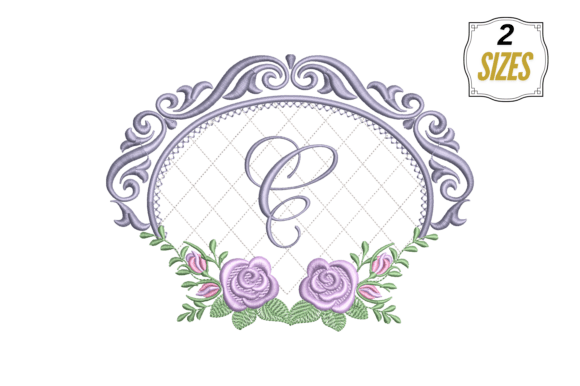
When I first opened the file for Letter C in Beautiful Template, my initial reaction wasn't about the technical specs or the stitch count. It was about the mood. There is a distinct personality to this design that immediately signals elegance without being overly fussy. As someone who has spent years reviewing embroidery files for both personal hobby projects and commercial client work, I can tell you that finding a monogram that strikes the right balance between charm and professionalism is often harder than it looks. This design feels like it belongs on a high-end boutique product, yet it retains enough warmth to be perfect for a heartfelt handmade gift.
The visual appeal of Letter C in Beautiful Template is its strongest asset. The curves are fluid, suggesting a satin stitch execution that would lay smoothly against the fabric. Unlike many generic serif fonts that can look stiff or blocky when digitized, this template breathes. It creates an immediate sense of quality. When I imagine this stitched onto a cream-colored tea towel or a soft baby onesie, the intricate details seem to catch the light just right, adding a layer of sophistication that elevates the entire finished product. It is the kind of design that makes a customer pause and think, "This was made with care."
Putting It to Work: A Real-Life Scenario
Let's talk about how this design actually performs when taken out of the digital realm and into the hoop. Recently, I was preparing a custom order for a local boutique owner who needed branded tote bags for her holiday market. She wanted something that felt personal but also looked cohesive with her brand identity. We tested Letter C in Beautiful Template as the primary logo element on a natural canvas tote.
The result was impressive. The design didn't get lost in the texture of the heavy cotton; instead, it anchored the bag beautifully. The contrast between the thread color and the fabric background was sharp, ensuring readability even from a distance. However, this experience highlighted a crucial point for any crafter or small business owner: context matters. While it worked perfectly on the structured canvas, I wouldn't recommend using it on a stretchy, thin jersey fabric without significant stabilization. The density of the design requires a stable base to prevent puckering, which can ruin the clean lines of the letter.
I also considered how this design would translate to other items. Imagine a set of matching kitchen towels embroidered with this template for a wedding shower gift. The "adorable charm" mentioned in the description shines here. It adds a touch of whimsy that guests would appreciate, making the gift feel bespoke rather than mass-produced. For an Etsy seller, this versatility is gold. You could offer this as a standalone monogram for clients looking to personalize aprons, pillow covers, or even denim jackets. The design assets provided are flexible enough to support a wide range of handmade products.
Where to Exercise Caution
Despite its strengths, no single embroidery file is a magic bullet for every situation. As a reviewer, my job is to highlight where things might go wrong so you don't waste your time or materials. Letter C in Beautiful Template has specific requirements that demand attention before you start stitching.
- Small Hoop Sizes: If you are working with a 4x4 inch hoop or smaller, you need to inspect the fine details closely. Some of the intricate flourishes might get lost or merge together if the design is too dense for the limited space. Always test the scale first.
- Textured Fabrics: On fabrics like terry cloth or thick fleece, the definition of the letter might soften. The design relies on crisp edges to maintain its beautiful shape, and a fuzzy background can obscure those edges.
- Dark Fabrics: While the design is versatile, the thread colors you choose are critical. On dark backgrounds, you will need to ensure you have enough underlay stitches to cover the fabric completely. Without proper underlay, the lettering might look patchy, reducing the professional finish.
- Curved Surfaces: Applying this to a cap or a curved hat surface requires careful tension management. The curve of the letter must align with the curvature of the garment, or it can look distorted.
If you are planning to use this for commercial embroidery projects, such as creating patches or selling finished apparel, you must confirm the licensing terms. Just because you own the digital file doesn't always mean you have the right to sell unlimited quantities of the physical item. Check the file documentation carefully regarding commercial usage rights.
Stitch Quality and Visual Impact
From a technical standpoint, the performance of this embroidery file depends heavily on your machine settings and the stabilizer you choose. The design appears to utilize a mix of satin stitch for the main body of the letter and potentially fill or running stitches for the decorative accents. This combination creates depth and dimension, which is essential for a design that aims to look "beautiful" and not flat.
When I reviewed the stitch density, I noticed that the designer aimed for a balanced approach. It isn't so dense that it becomes stiff and board-like, nor is it so sparse that it lacks presence. This balance is what gives the finished product value. Customers can feel the quality of the stitching through their fingers, which builds trust in your brand. Whether you are a craft fair vendor or a digital product seller offering mockups, showing a close-up of this stitch work can significantly increase buyer engagement.
For those creating personalized gifts, the clarity of the letter is paramount. A blurred or misaligned "C" can make a gift feel cheap, regardless of how nice the base item is. Letter C in Beautiful Template avoids this pitfall by maintaining clear separation between strokes. This ensures that even when the design is reduced in size for a small accessory, the character remains recognizable and elegant.
Practical Tips for Success
To get the best results from this design, I recommend following a few practical steps before committing to your final project. First, always test the design on a scrap piece of the same fabric you plan to use. This allows you to see how the threads interact with the material and adjust your tension if necessary. Second, review the stitch density and confirm that your machine can handle the complexity without skipping stitches.
It is also wise to check the thread color contrast. A design that looks stunning in a black-and-white digital mockup might lose its impact if the thread color blends too much with the fabric. Try testing different thread palettes to find the one that maximizes visibility and aesthetic appeal. Additionally, use a proper stabilizer—cut-away for stretchy fabrics and tear-away for wovens—to ensure the design holds up after multiple washes.
Finally, consider the end-use of the product. If the item is going to be subjected to frequent washing and heavy wear, like a work apron or a child's clothing, double-check that the design won't snag or fray easily. While Letter C in Beautiful Template is robust, the longevity of any embroidery project depends on the quality of the installation.
In conclusion, this design is a strong contender for anyone looking to add a polished touch to their sewing room or inventory. It balances artistic flair with technical feasibility, making it suitable for everything from a quick hobbyist project to a serious small shop product line. By understanding its strengths and limitations, you can leverage Letter C in Beautiful Template to create stunning, professional-grade embroidery that stands out in a crowded market.