Baby Duck Monogram Review: A Designer's Real-World Test
As someone who has spent years reviewing machine embroidery design files for both personal crafting and commercial ventures, I know that the difference between a good project and a great one often lies in the specific details of the digitization. When I first laid eyes on the Baby Duck Monogram, my initial reaction wasn't just about the cute theme; it was about how this design would actually behave when stitched onto real-world fabrics. In the world of handmade goods, particularly for Etsy sellers and boutique owners, the visual personality of a design is just as important as its technical execution.
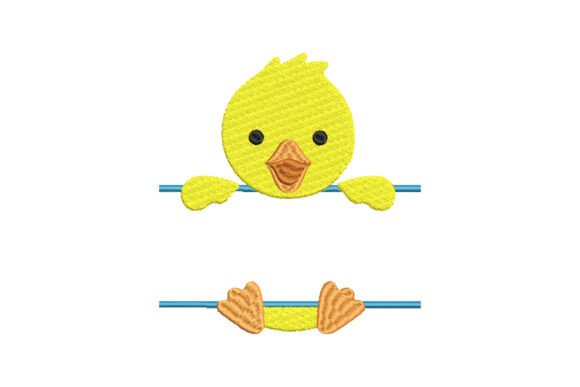
The Baby Duck Monogram immediately strikes a chord of whimsy. It isn't a stiff, corporate logo or a generic script font. Instead, it feels organic and playful, suggesting a design that belongs in nurseries, baby showers, or perhaps a line of children's apparel. The layout balances the lettering with the duck motif in a way that suggests movement without looking cluttered. For a designer eye, this balance is crucial because it determines how the piece will hold up after hours of stitching and multiple washes.
From Digital File to Finished Product: A Real Scenario
Let's imagine a practical scenario where I decided to use the Baby Duck Monogram for a client project. The request was for a set of personalized aprons for a local bakery's holiday gift exchange. These aprons were made of a sturdy canvas fabric, intended for frequent washing and heavy use. The goal was to create something that felt homemade but looked professionally branded.
When I loaded the embroidery file into my machine, the first thing I noticed was the flow of the stitches. The design didn't feel like it was fighting against the grain of the fabric. On the apron, the duck motif sat perfectly centered above the monogrammed initial, creating a cohesive brand mark. The customer didn't just see a name; they saw a character. This kind of emotional connection is what drives sales for handmade products. If the design feels too rigid or cheaply digitized, the perceived value of the finished item drops instantly.
However, using this design requires more than just hitting the start button. I had to consider the stitch density. The Baby Duck Monogram features areas of fill stitch that need to be dense enough to cover the fabric completely, yet not so thick that they cause puckering on lighter materials. In this case, the canvas provided a stable base, allowing the satin stitches to pop without losing their definition. The result was a clean, crisp image that customers loved, proving that this design can elevate a simple custom apparel item into a premium gift.
Where This Design Shines
Based on my experience testing various applications, the Baby Duck Monogram finds its sweet spot in several key categories. It is naturally suited for baby embroidery projects, such as onesies, bibs, and nursery decor like pillow covers. The soft curves of the duck work beautifully on cotton blends and flannel, which are common in baby gear.
- Tote Bags: The design scales well on canvas tote bags, adding a touch of charm to tote bag design projects for craft fairs.
- Holiday Embroidery: It fits perfectly into seasonal collections, such as Christmas stockings or Easter baskets, where a bit of whimsy is welcome.
- Small Shop Products: For small business merchandise, this design offers a unique branding opportunity that stands out from generic templates.
- Kitchen Textiles: Tea towels and kitchen aprons benefit from the playful nature of the duck, making them popular items for commercial embroidery.
In each of these scenarios, the design adds a layer of personality that generic text alone cannot achieve. It transforms a standard product into a personalized gift that feels thoughtfully curated.
Navigating Potential Pitfalls and Technical Challenges
While the Baby Duck Monogram is versatile, no single design is perfect for every situation. As an experienced reviewer, I must point out where caution is required. The design relies on a certain level of detail to maintain its shape, which means it may struggle on very small hoop sizes. If you attempt to stitch this on a tiny patch or a very small cap brim, the fine lines might get lost or merge together, ruining the clarity of the duck and the letter.
Fabric choice is another critical factor. While the design works well on stable woven fabrics like canvas and denim, it can be tricky on highly textured or stretchy materials. Stretchy knits, such as those found in some sweatshirts or leggings, require extra care. Without the correct stabilizer and proper hooping technique, the satin stitch areas might pull the fabric, causing distortion. Similarly, thin fabrics like silk or sheer cotton may show the back of the stitches if the fill stitch density is too high, which could look unprofessional on the reverse side.
Dark fabrics present their own set of challenges. To make the Baby Duck Monogram stand out on black or navy material, you will likely need a high-quality underlay or a light-colored thread palette. If the contrast is poor, the design loses its impact. Additionally, for products that require frequent washing, such as work aprons or kids' clothes, you must ensure the thread colors chosen are colorfast. A faded duck on a monogrammed shirt can look worn out before the garment itself is damaged.
Practical Notes for the Design Professional
Before you commit to using the Baby Duck Monogram in your next big production run, there are several steps every serious crafter and digital product seller should take. First and foremost, always test the design on scrap fabric. This simple step allows you to check the thread color contrast and observe how the running stitch and fill areas interact with your specific material.
I also recommend reviewing the stitch density within your software. If the design feels overly dense, consider adjusting the settings to reduce bulk, especially if you are working with thinner fabrics. Confirm your hoop size matches the design dimensions to avoid cutting off any parts of the duck or the letter. Inspecting small details under good lighting is essential; sometimes, what looks fine on a screen reveals jagged edges or loose threads when viewed at 100% zoom.
Furthermore, do not forget to test the design in black and white mockups. This helps visualize the contrast and ensures the design remains legible regardless of the color scheme. Comparing light and dark fabric backgrounds during the test phase will give you a realistic idea of how the final product will appear to your customers. Using the proper stabilizer is non-negotiable; it acts as the foundation for the entire project, ensuring the embroidery project stays flat and professional.
Finally, confirm the licensing terms before selling finished items. Are you allowed to use this embroidery design for commercial purposes? Does the license cover digital previews or printable mockups? Understanding these legalities protects your craft business and ensures you are operating ethically. If the file formats or specific machine compatibility aren't listed in the product description, reach out to the creator or check the documentation thoroughly.
Final Thoughts on Visual Appeal and Value
The Baby Duck Monogram succeeds because it understands the emotional language of embroidery. It doesn't just put letters on cloth; it tells a story of playfulness and care. For designers looking to add value to their finished product, this design offers a reliable way to engage buyers. Whether it ends up on a sweatshirt embroidery project for a teen or a delicate patch for a toddler's backpack, the design holds its own.
Ultimately, the success of any embroidery project depends on the maker's ability to match the right design with the right application. The Baby Duck Monogram is a strong asset in your collection of design assets, provided you respect the technical limitations of the medium. By testing carefully, choosing the right materials, and understanding the nuances of machine embroidery, you can turn this digital file into a tangible masterpiece that delights customers and strengthens your brand reputation.