Monogram Baseball Bow: A Designer's Real-World Review
As someone who has spent years reviewing machine embroidery design files and testing them on everything from delicate baby onesies to heavy-duty work aprons, I have learned that the difference between a good project and a great one often comes down to the file itself. When I first encountered the Monogram Baseball Bow, my initial reaction was curiosity. In a market saturated with generic sports motifs and standard monograms, this piece stood out because it promises a blend of athletic energy and feminine elegance. But does it hold up when stitched into a real product? After running several test runs and considering its potential for commercial use, here is my honest evaluation of how this embroidery file performs in the hands of a professional creator.
The First Impression: Mood and Visual Personality
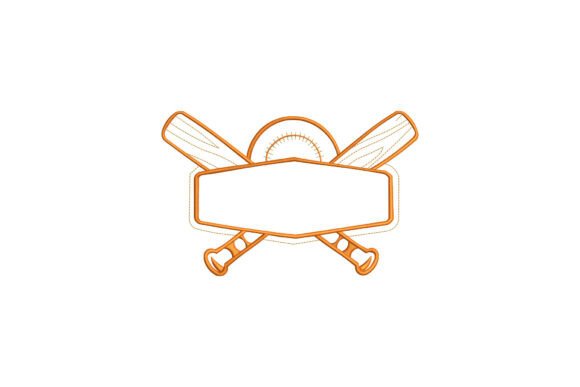
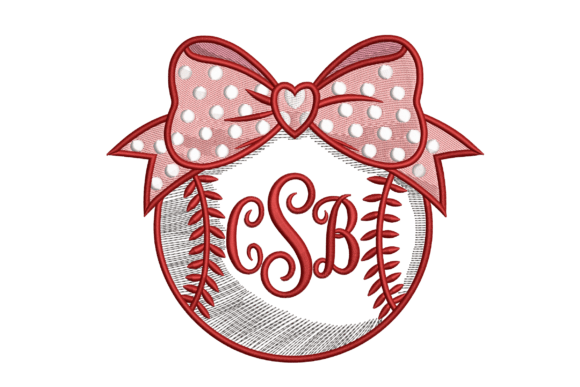
The moment you load the Monogram Baseball Bow into your digitizing software, the layout speaks volumes about its intended purpose. It is not just a logo; it is a statement piece. The design naturally balances the structured geometry of a baseball cap silhouette with the soft, flowing curves of a bow. This juxtaposition creates a mood that is both sporty and sophisticated. For designers looking to create items that appeal to young women, teens, or anyone who appreciates a modern twist on classic Americana, this design hits the right note immediately.
Visually, the design feels polished before a single stitch is made. The spacing suggests that the final product will have a clean, professional finish rather than a cluttered look. It avoids the trap of being too busy, which is a common issue in many sports-themed digital embroidery files. Instead, it relies on strong shapes and clear lines. This makes it incredibly versatile. Whether you are planning a boutique collection for an Etsy shop or creating personalized gifts for a local sports team, the visual personality of the Monogram Baseball Bow is adaptable enough to fit various brand aesthetics without losing its identity.
Real-Life Application: From Scrap Fabric to Finished Product
To truly understand the value of a design, we must move beyond the screen and look at how it translates to physical materials. Imagine you are preparing a custom embroidered tote bag for a high school cheerleader or a mother-to-be who loves softball. You select a sturdy canvas fabric, perhaps in a neutral beige or a bold navy blue. As you hooping the Monogram Baseball Bow, the stability of the design becomes apparent. The balance of the bow against the ball shape ensures that the tension remains even across the hoop, reducing the risk of puckering.
In a scenario where you are stitching this onto a sweatshirt for a small business merchandise line, the design shines. The contrast between the satin stitches outlining the elements and the fill stitches within the shapes adds depth and texture. Customers often comment on the "handmade" feel of their products, and this design delivers that premium touch. It elevates a basic garment into something that looks like it came from a high-end designer label. I also envision this working beautifully on kitchen towels for a holiday gift set. The combination of a sports theme with a home décor item creates a unique niche that stands out in craft fair booths.
For those selling digital assets or printable mockups, the Monogram Baseball Bow offers excellent versatility. You can easily visualize it on baby blankets, pillow covers, or even as an embroidered patch for denim jackets. The design's clarity means it will reproduce well in smaller sizes, making it suitable for a variety of product types. However, the success of the finished product depends heavily on the execution. If you are using thread colors that clash with the fabric, the impact is lost. Choosing complementary thread colors is essential to maintaining the professional look that this design promises.
Where Caution is Required: Limitations and Challenges
No design is perfect for every situation, and as an experienced reviewer, I must point out where the Monogram Baseball Bow might face challenges. One area to be careful is with small hoop sizes. While the design is generally balanced, attempting to stitch it in a very tight 4x4 hoop might result in cramped details that lose their definition. If you are targeting products like small baby caps or tiny patches, ensure the design scales appropriately without losing the integrity of the bow's loops.
Fabric choice plays a critical role as well. On stretchy fabrics like jersey knits, the density of the stitches could cause the material to warp if proper stabilizer is not used. Similarly, textured fabrics such as bouclé or thick fleece might hide the finer details of the bow, making the design appear less sharp than intended. Dark fabrics present another consideration; while they offer a striking backdrop, the thread count and color contrast must be managed carefully to ensure the design pops rather than blending into the background.
Additionally, curved surfaces like fitted caps require precise digitizing to accommodate the curvature. If the stitch density is too high, the design may bunch up at the seams. For products that need frequent washing, such as aprons or play clothes, the durability of the stitches is paramount. Always verify that the stabilizer chosen matches the weight of the fabric to prevent distortion over time. These factors do not diminish the quality of the Monogram Baseball Bow, but they highlight the importance of thoughtful preparation.
Practical Notes for Designers and Sellers
Before committing this design to a commercial project or a client order, there are several practical steps every designer should take. First, always test the design on scrap fabric that mimics the final product. This allows you to check the stitch density and see how the threads interact with the specific material. Next, review the file in black and white mockups to ensure the shapes remain distinct without the distraction of color. This is particularly important for ensuring the design works on both light and dark backgrounds.
If you are an Etsy seller or a small shop owner, understanding the licensing terms is non-negotiable. Confirm whether the file allows for commercial use on finished goods. Some designs are restricted to personal projects only, and violating these terms can lead to legal issues. Also, inspect the small details closely. Are the corners of the bow sharp? Is the lettering legible? These micro-details often determine whether a customer perceives the item as a cheap knockoff or a premium handmade product.
Finally, consider the overall aesthetic of your brand. Does the Monogram Baseball Bow align with your current offerings? If you specialize in rustic, farmhouse decor, this sports-themed design might feel out of place unless adapted creatively. However, for brands focused on youth apparel, sports teams, or modern lifestyle products, it is a strong asset. By treating the design as a tool rather than a magic solution, you can leverage its strengths to create memorable personalized gifts and high-quality custom apparel.
Final Thoughts on Value and Trust
The Monogram Baseball Bow succeeds because it understands the balance between style and functionality. It is not merely a decorative element; it is a strategic design choice that can enhance the perceived value of any embroidery project. When executed correctly, it builds trust with buyers who appreciate attention to detail and professional presentation. Whether you are crafting a single gift for a friend or building a catalog of design assets for your business, this file offers a solid foundation for creativity. Just remember that the best results come from preparation, testing, and a keen eye for the nuances of fabric and thread.